Siberian Huskies are notorious for their vocal nature. While their talking, howling, and barking are part of their charm, excessive barking can become a nuisance and a sign of underlying issues. This comprehensive guide explores why Huskies bark excessively and provides practical, humane strategies to manage and reduce unwanted vocalizations.
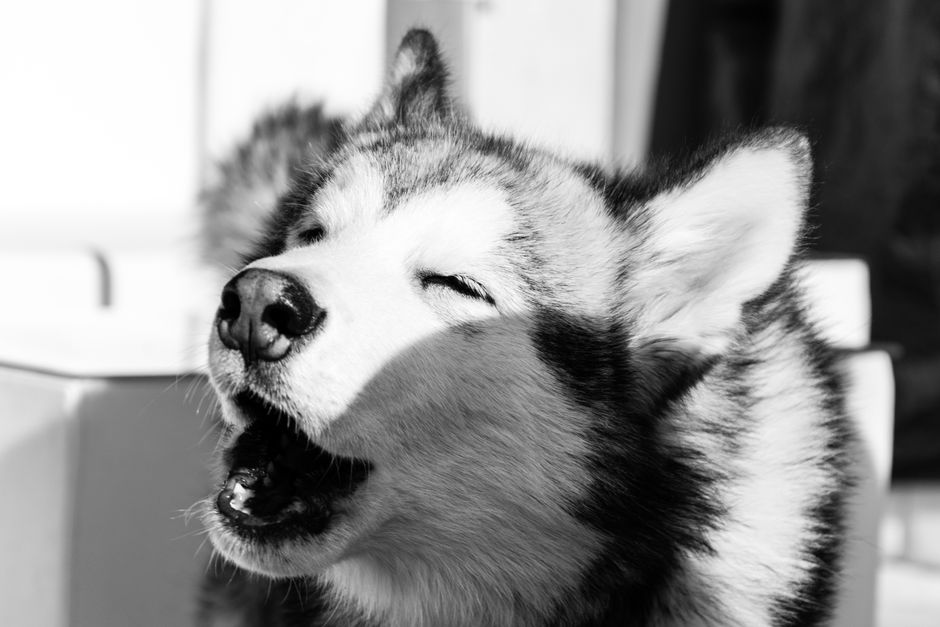
Understanding Why Huskies Bark
Huskies were bred as sled dogs in harsh Arctic environments, where long-distance communication was essential. Their vocalizations—barks, howls, whines, and “talking”—serve multiple purposes. Unlike many breeds, Huskies often use barking as a deliberate form of communication rather than an automatic response. Common reasons include:
- Attention-seeking: Huskies quickly learn that barking gets your attention. If you respond by talking, looking, or giving treats, the behavior is reinforced.
- Excitement: When greeting people, anticipating a walk, or playing, a Husky may bark excitedly.
- Boredom or loneliness: Without adequate mental and physical stimulation, Huskies may bark to release pent-up energy or express frustration.
- Anxiety or fear: Separation anxiety, loud noises, or unfamiliar situations can trigger stress-related barking.
- Territorial alert: Huskies may bark at strangers, other animals, or unusual sights and sounds near their home.
- Herd mentality: If one Husky starts barking, others often join in, amplifying the noise.
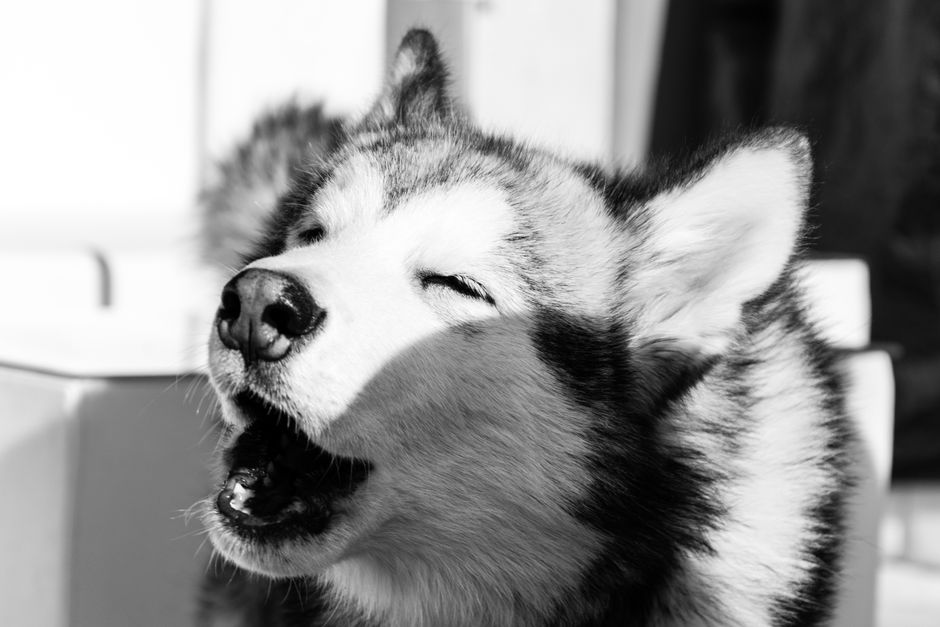
Common Triggers for Excessive Barking
Identifying the specific triggers for your Husky’s barking is the first step to solving the problem. Observe when and where the barking occurs. Common triggers include:
- Lack of exercise: Huskies are high-energy dogs. Without at least 1-2 hours of vigorous activity daily, they become restless and vocal.
- Under-stimulation: Mental enrichment is equally important. Puzzle toys, training sessions, and interactive games can prevent boredom barking.
- Separation anxiety: Huskies are pack-oriented and may bark excessively when left alone. Signs include destructive behavior and pacing.
- Environmental stimuli: Passersby, delivery trucks, or wildlife can trigger alarm barking. Huskies are alert and may bark at any perceived novelty.
- Excitement: Barking during play or when greeting visitors is often self-rewarding and hard to extinguish if not managed early.
- Medical issues: Pain, cognitive decline, or hearing loss can lead to increased vocalization. Always rule out health problems with a vet.
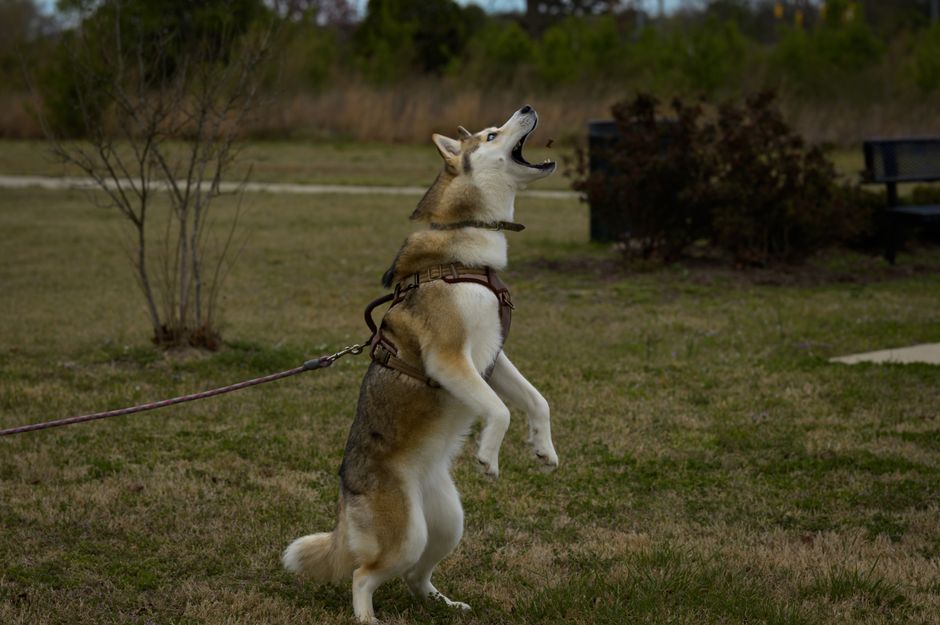
Training Techniques to Reduce Barking
Positive Reinforcement and the “Quiet” Command
Train your Husky to bark on cue, then teach ‘quiet.’ Choose a quiet environment with minimal distractions. Let your dog bark (or encourage a bark with a knock), then say “quiet” in a calm, firm voice. The moment the barking stops, even for a second, reward with a high-value treat and praise. Gradually increase the duration of silence before rewarding. Practice in more distracting settings.
Desensitization and Counterconditioning
If your Husky barks at specific triggers (e.g., the doorbell), expose them to a low-level version of the trigger (e.g., record the doorbell sound at low volume) while offering treats. Slowly increase the volume over sessions, always pairing the trigger with something positive. This changes the emotional response from arousal to calm.
Ignore Attention-Seeking Barking
When your Husky barks for attention, completely ignore them—no eye contact, no talking, no touching. Wait for at least 5 seconds of silence, then calmly reward with attention. Consistency is key; any attention can reinforce the barking.
Avoid Punishment
Yelling, shock collars, or citronella sprays can increase anxiety and damage trust. Huskies are sensitive and may become more fearful or aggressive. Focus on reward-based methods and environmental changes.
Environmental Enrichment and Management
Prevention is often easier than curing excessive barking. Ensure your Husky’s needs are met:
- Daily exercise: At least 60 minutes of vigorous exercise (running, fetch, hiking). Incorporate structured walks and free play.
- Mental stimulation: Use puzzle feeders, snuffle mats, and training games like hide-and-seek. Rotate toys to maintain novelty.
- Structured routine: Huskies thrive on predictability. Consistent feeding, walking, and quiet times reduce anxiety.
- Safe space: Provide a crate or quiet room with comfortable bedding. Covering the crate can create a den-like atmosphere.
- Manage the environment: Close blinds to reduce visual triggers. Use white noise or calming music to mask outdoor sounds.
- Interactive toys: Frozen Kongs stuffed with peanut butter or yogurt can keep a Husky occupied for hours.
When to Seek Professional Help
If your Husky’s barking persists despite consistent training, or if it is accompanied by aggression, destructiveness, or signs of severe anxiety, consult a certified professional dog trainer or veterinary behaviorist. They can design a tailored behavior modification plan and, if necessary, recommend medications to reduce anxiety. Never punish a fearful or anxious dog; it worsens the problem.
| Cause | Solution |
|---|---|
| Boredom | Increase exercise and provide puzzle toys |
| Separation anxiety | Desensitization, crate training, consider dog walker |
| Excitement (greeting) | Teach “sit” then reward calm; ignore barking |
| Territorial barking | Manage windows/fence; desensitization to triggers |
| Attention-seeking | Ignore and reward quiet; ensure adequate enrichment |
Excessive barking in Huskies is a common challenge, but with patience, understanding, and consistent training, you can teach your vocal companion to be quiet on cue. Remember that Huskies are naturally communicative—aim to reduce problem barking rather than eliminate it entirely. A well-exercised, mentally stimulated Husky is a quieter, happier companion.