If you’ve ever owned a Siberian Husky, you know they are not your typical quiet dog. Instead of a simple bark, Huskies are famous for their dramatic vocalizations—especially the infamous “talking back.” This behavior, where a Husky seems to argue with you using a range of growls, whines, and yodels, is both hilarious and sometimes challenging. In this article, we’ll dive into the reasons behind the chatter, share some of the funniest Husky talking videos, and provide practical training tips to manage this unique trait while keeping your bond strong.

Why Do Huskies Talk Back?
Huskies are highly intelligent and social dogs. Their “talking” is a form of communication inherited from their pack ancestors. Unlike barking, which can signal alarm, Husky vocalizations often mimic human speech patterns because they learn that sounds get attention. They “talk back” to express needs, boredom, excitement, or simply to engage with you. This stubborn streak makes them resistant to commands, but it’s also part of their charm. Understanding the psychology helps you respond appropriately.
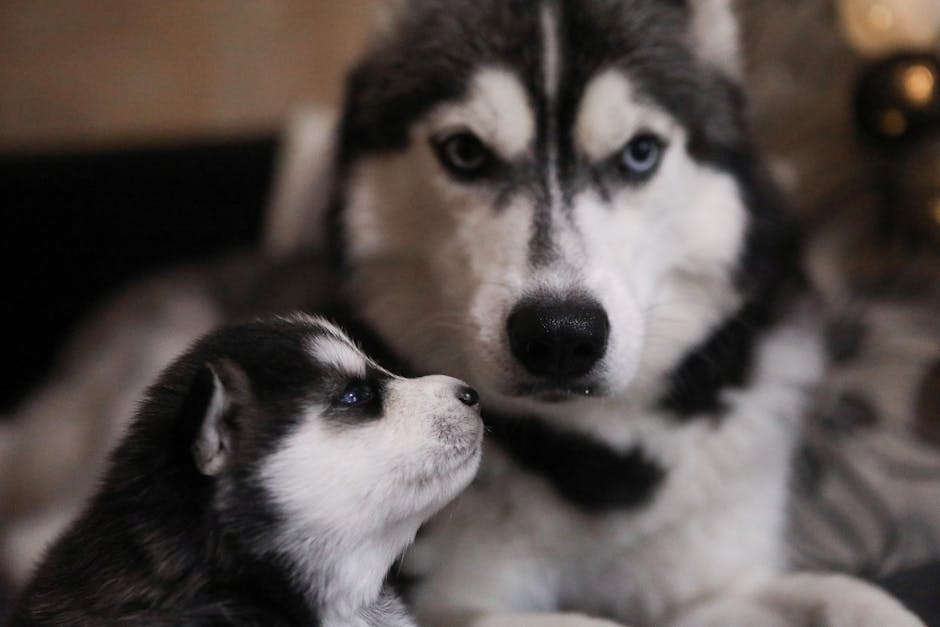
The Hilarious Side: Famous Talking Husky Videos
One of the best aspects of Husky talking is the entertainment value. Countless viral videos showcase Huskies “arguing” with their owners. Channels like Misty the Husky, Husky Silvia, and HuskyTails feature dogs who seem to hold full conversations. In these clips, Huskies often use varied pitches and tones: a low growl when they disagree, a high-pitched whine when they want a treat, and a distinct “roo-roo-roo” that sounds like they’re saying “I love you.” Watching these videos can help you understand your own dog’s range of vocalizations.
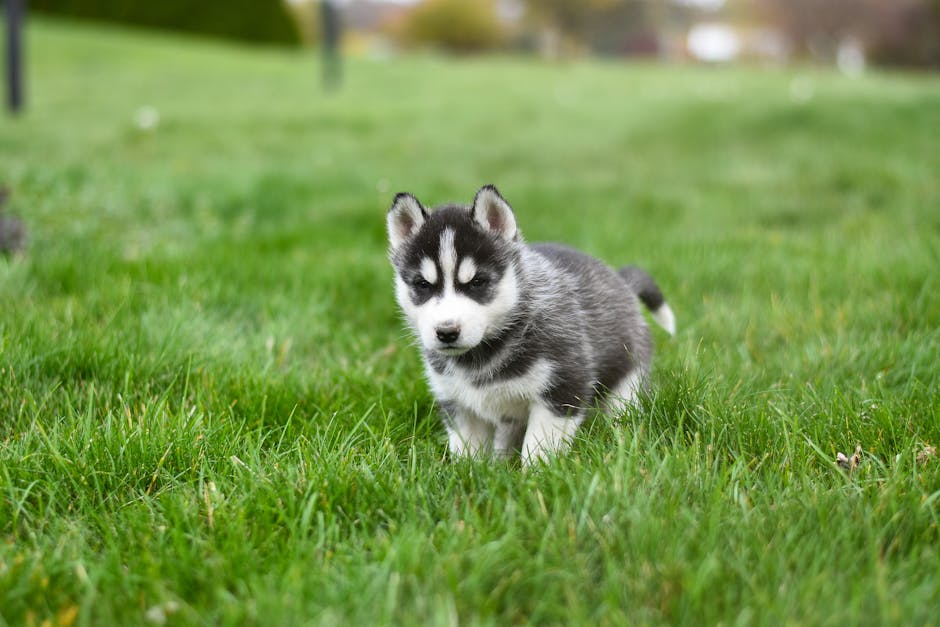
Training Tips: How to Manage the Talking
While the talking is cute, it can become excessive. Here are actionable training strategies:
Positive Reinforcement for Quiet
Reward your Husky for being quiet. Use a command like “quiet” or “enough.” When they stop talking even for a second, mark with a treat. Gradually increase the duration. Never shout, as that can be perceived as joining in the conversation.
Redirect with Alternative Behaviors
Teach a “place” or “settle” command. If your Husky starts talking back, ask them to go to their bed or mat. Reward them for lying down quietly. This shifts focus from vocalizing to calm behavior.
Consistency is Key
All family members must respond the same way. If you sometimes laugh at the talking and other times scold, your Husky will be confused. Decide on a cue (e.g., “quiet”) and use it every time.
Provide Mental Stimulation
Often Huskies talk because they’re bored. Increase exercise and engage them with puzzle toys, training sessions, or interactive games. A tired Husky is a quieter Husky.
When Talking Turns into Howling
Howling is different from talking. It’s a deeper, sustained sound that can be triggered by sirens, music, or separation anxiety. If your Husky howls excessively, it may signal distress. Use a table to compare:
| Talking | Howling |
|---|---|
| Short, varied sounds | Long, sustained tones |
| Response to human interaction | Response to environmental triggers or anxiety |
| Often playful or demanding | Can indicate loneliness or discomfort |
| Manageable with training | May require addressing underlying stress |
If howling becomes problematic, consult a professional trainer or veterinarian.
Fun Ways to Encourage Vocalization
If you enjoy the talking, you can make it a game. Try “speak” and “quiet” commands alternately. Join in by making funny sounds yourself—Huskies love call-and-response. Use a talking button training system to give your Husky a voice. This can deepen communication and strengthen your bond.
Conclusion
Husky talking back is a delightful quirk that sets this breed apart. By understanding its roots and applying consistent training, you can enjoy the laughter without losing your sanity. Whether you’re watching viral videos or hearing your own Husky’s daily commentary, cherish these conversations—they’re a special part of life with a Siberian Husky.