Bringing home a Siberian Husky puppy is an exciting adventure, but these intelligent and independent dogs require dedicated obedience training from the start. Without proper guidance, your adorable fluffball can quickly turn into a stubborn, destructive adolescent. This comprehensive guide covers everything you need to know about husky puppy obedience training, from when to start and essential commands to overcoming common challenges. By following these proven techniques, you'll build a strong foundation for a well-behaved, happy companion.
Why Obedience Training is Crucial for Husky Puppies
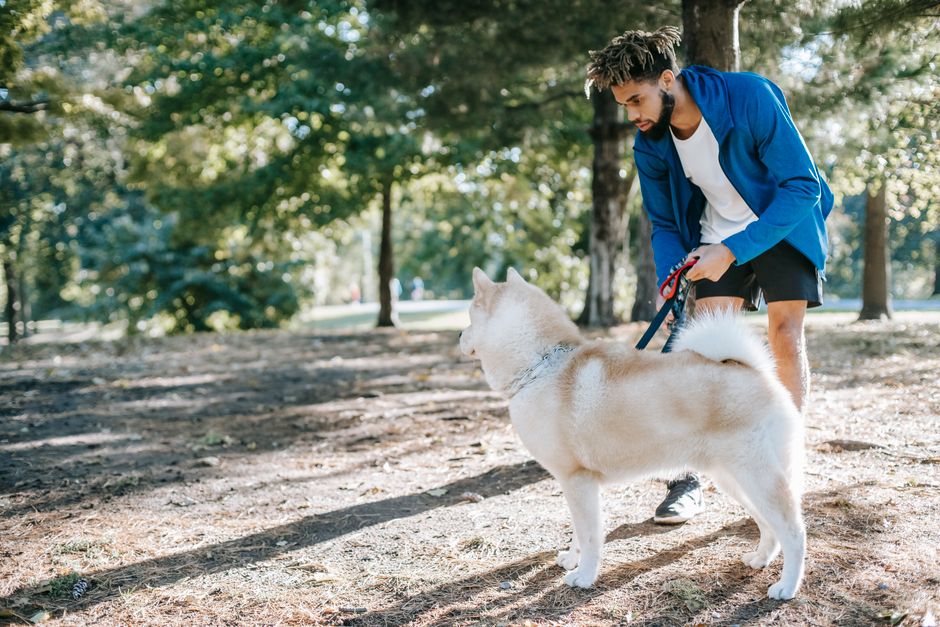
Huskies were bred to pull sleds over long distances, which means they are incredibly smart, energetic, and independent. These traits make obedience training non-negotiable. A well-trained husky is safer, more enjoyable to be around, and less likely to develop problem behaviors like excessive barking, digging, or escaping. Training also strengthens the bond between you and your puppy, establishing you as the leader while respecting their unique personality. Early training channels their intelligence and energy into positive behaviors, preventing future frustration for both of you.
When to Start Training Your Husky Puppy
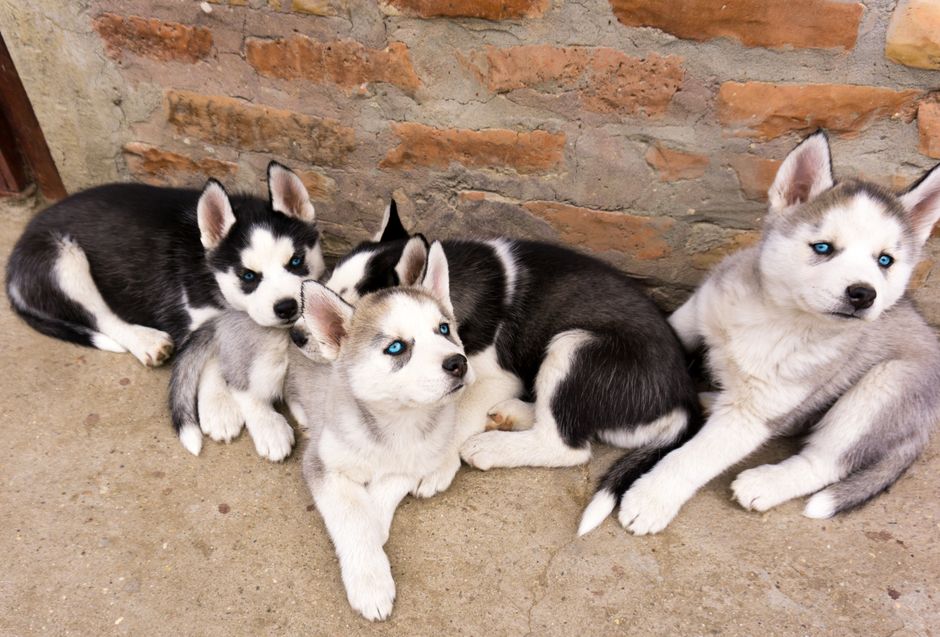
The best time to start obedience training is as soon as you bring your husky puppy home, typically around 8 weeks old. At this age, puppies are like sponges, eager to learn and highly motivated by treats and praise. Start with short sessions—5 to 10 minutes, two to three times a day—to match their short attention span. Focus on building trust and establishing a routine. While housebreaking and basic manners can begin immediately, formal obedience training for commands like sit, stay, and come can start around 8-10 weeks. Remember, consistency is key: every interaction is a training opportunity.
Essential Commands to Teach First
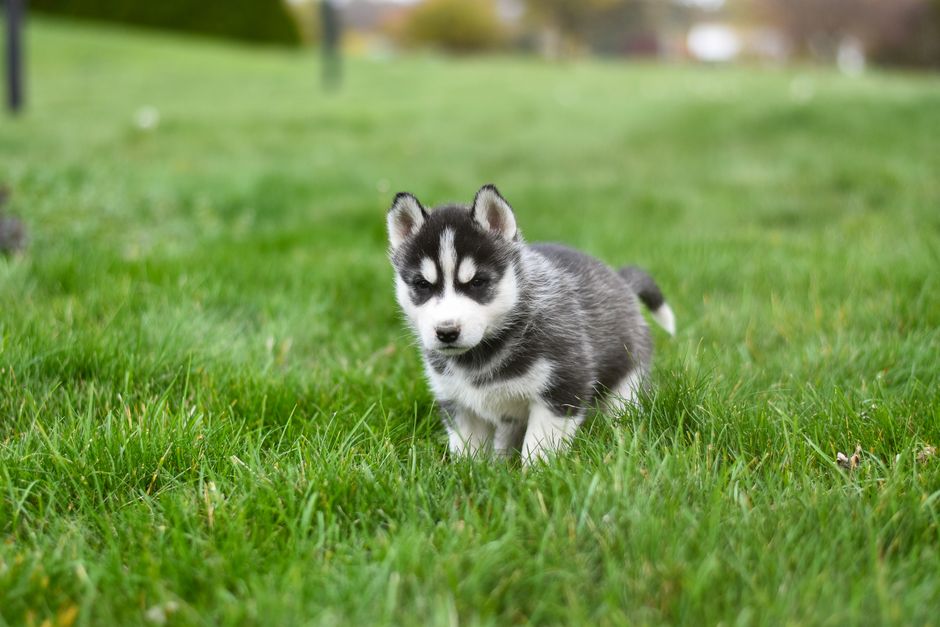
Begin with these five foundational commands. Use high-value treats (like small pieces of chicken or cheese) and keep sessions fun and upbeat.
Sit
Hold a treat near your puppy’s nose, then slowly move it up and back over their head. As their head follows the treat, their bottom will naturally lower. Say “Sit” as they sit, then give the treat and praise. Repeat several times until they respond to the verbal cue alone.
Stay
Ask your puppy to sit. Open your palm in front of their face and say “Stay.” Take a small step back. If they stay, return and reward. Gradually increase the distance and duration. If they break the stay, start again with a shorter distance.
Come
This command can be life-saving. Start in a low-distraction area. Say your puppy’s name followed by “Come!” in an excited tone, and run backward to encourage them to chase you. Reward with a treat and praise when they reach you. Practice with increasing distance and distractions.
Leave It
Place a treat in your closed fist and let your puppy sniff it. Say “Leave it” and wait until they stop trying to get it. The moment they back away, say “Yes!” and give them a different treat from your other hand. Repeat until they turn away on cue.
Heel
Huskies are natural pullers, so teaching a loose-leash walk is essential. Hold a treat at your side near your leg. Say “Heel” and take a step forward. When your puppy walks beside you without pulling, reward. Stop if they pull, and only move forward when the leash is slack.
| Command | Purpose | Training Tip |
|---|---|---|
| Sit | Foundation for other commands | Use lure-and-reward method |
| Stay | Self-control and safety | Gradually increase duration |
| Come | Critical recall | Always reward, never punish |
| Leave It | Prevents picking up hazards | Trade for a better treat |
| Heel | Polite walking | Use high-value treats |
Positive Reinforcement Techniques
Huskies respond best to positive reinforcement—rewarding desired behaviors with treats, praise, or play. Avoid harsh corrections, as they can damage trust and increase stubbornness. Use clicker training to mark the exact moment your puppy does the right thing, then reward. Keep training sessions short, end on a positive note, and vary the location to proof behaviors. Remember, huskies are smart but independent; repetition and patience are your best allies.
Common Challenges and Solutions
Stubbornness
Huskies are notorious for selective hearing. If your puppy ignores a command, check if they are distracted or overstimulated. Move to a quieter area, lower your expectations, and use higher-value treats. Never repeat a command more than twice; if they don’t respond, you’ve lost the game—start over fresh.
Distraction
Huskies have a high prey drive and can be easily distracted by squirrels, sounds, or movement. Practice “Look at me” or “Watch me” to regain focus. Gradually introduce distractions in controlled settings. Use the “Premack Principle” (e.g., “If you sit, then you can chase that leaf”) to motivate cooperation.
Biting and Nipping
Puppy biting is normal but must be managed. Yelp sharply when they bite too hard, then withdraw attention for a moment. Provide appropriate chew toys and redirect. Teaching “leave it” and offering praise for gentle mouthing helps. Consistent response will teach bite inhibition.
Socialization and Obedience
Socialization is a crucial part of obedience training. Expose your husky puppy to various people, dogs, environments, and sounds between 8-16 weeks old. Pair new experiences with treats to create positive associations. A well-socialized husky is more confident and less reactive, making obedience training easier. Enroll in puppy kindergarten classes to provide structured socialization and reinforce commands with distractions.
Consistent Routine and Crate Training
Huskies thrive on routine. Set a consistent schedule for meals, potty breaks, training, play, and rest. Crate training provides a safe den and aids in housebreaking. Use the crate for naps and short periods, never as punishment. A tired husky is a well-behaved husky—ensure at least 30-60 minutes of structured exercise daily, plus mental enrichment through puzzle toys or nose work.
Avoiding Common Mistakes
- Inconsistency: Using different commands or rewards confuses your puppy. Stick to one word per command and ensure all family members follow the same rules.
- Overtraining: Keep sessions short and fun. End before your puppy gets bored or frustrated.
- Expecting perfection too soon: Puppies need time to generalize behaviors. Be patient and celebrate small wins.
- Using punishment: Harsh corrections can cause fear or aggression. Focus on rewarding what you want.
When to Seek Professional Help
If your husky puppy shows signs of aggression, extreme fear, or if you’re struggling with basic obedience despite consistent effort, consider hiring a certified professional dog trainer. Look for trainers who use positive reinforcement methods and have experience with northern breeds. Puppy classes are also excellent for socialization and guidance.
Conclusion
Husky puppy obedience training requires dedication, patience, and a positive attitude. Start early, focus on essential commands, and use rewards to motivate your independent-minded pup. Overcome challenges with consistent strategies, and don’t underestimate the power of socialization and routine. With time and effort, your husky will grow into a well-mannered, loyal companion. Remember, training is a lifelong journey—keep sessions fun, and celebrate every step forward. Your furry friend will thank you with a lifetime of love and adventure.