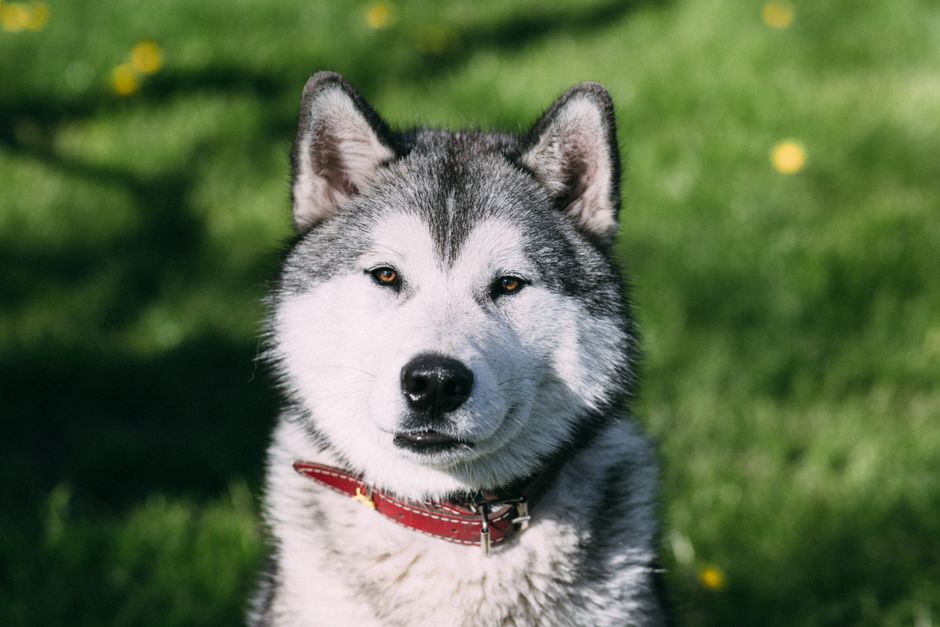
Why Huskies Need a Specialized GPS Tracker
Siberian Huskies are renowned for their intelligence, independence, and incredible escape artistry. Bred to pull sleds across vast frozen landscapes, they have an innate desire to run and explore. A standard collar tag is often not enough—Huskies can slip out of harnesses, dig under fences, or bolt through open gates. A reliable GPS tracker not only gives you peace of mind but also increases the chances of a quick reunion if your Husky decides to go on an unsanctioned adventure. However, not all trackers are Husky-proof. You need a device that is durable, has long battery life, works in cold climates, and is comfortable under a thick double coat.
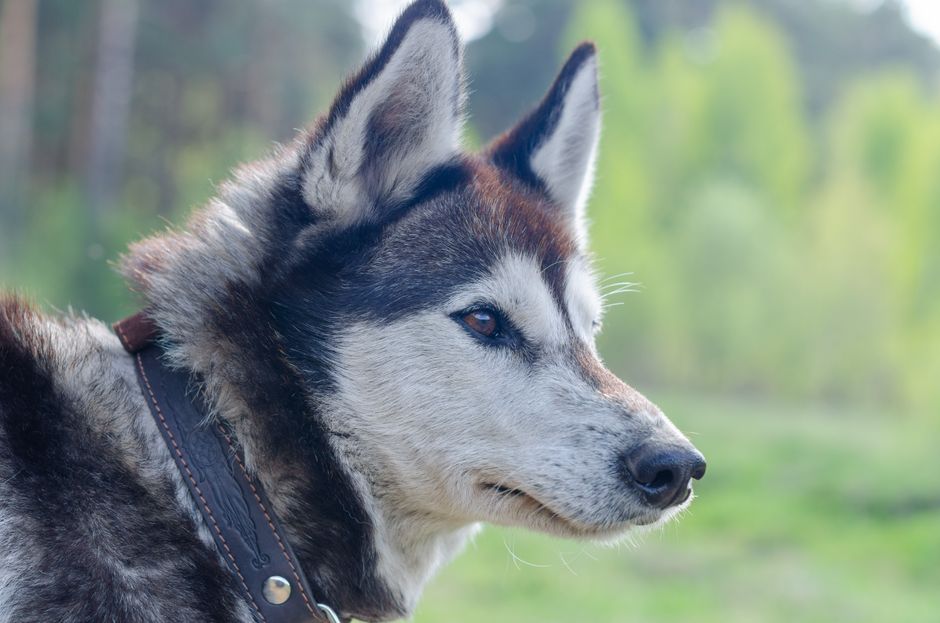
Key Features to Look for in a Husky GPS Tracker
1. Real-Time Tracking vs. Location Logging
Real-time tracking (using cellular or GPS satellites) lets you see your dog's location on a map instantly. This is crucial for an active Husky that can cover miles in minutes. Location logging only records positions at intervals and is less useful for active tracking. Always choose a tracker with real-time capabilities.
2. Battery Life
A Husky’s adventures can last hours. Look for a tracker that offers at least 24-48 hours of battery life on a single charge. Some trackers have power-saving modes that extend battery but reduce update frequency. For a Husky, a balance is key—frequent updates (every 1-2 minutes) during active tracking, with longer intervals when stationary.
3. Waterproofing and Durability
Huskies love water, snow, and mud. The tracker must be fully waterproof (IP67 or IP68 rating) and able to withstand rough play, chewing, and the elements. A rugged casing with no exposed parts is ideal.
4. Cold Weather Performance
Batteries drain faster in cold temperatures. Choose a tracker with a battery chemistry that performs well in freezing conditions (e.g., lithium-ion). Some brands specify operating temperatures as low as -20°F (-29°C).
5. Size and Attachment
The tracker should be lightweight and low-profile so it doesn’t bother your Husky under their thick coat. Look for models that attach securely to a collar (preferably with a silicone sleeve or clip) and can’t be easily snagged or chewed off.
6. Subscription Costs
Most cellular-based trackers require a monthly fee. Factor this into your budget. Some devices offer no-subscription options using long-range radio (like the Garmin Alpha series) but come with a higher upfront cost.

Top 5 GPS Trackers for Huskies Compared
Below is a comparison table of the best GPS trackers for Huskies, based on features, durability, and Husky-specific needs.
| Tracker | Tracking Type | Battery Life | Waterproof | Cold Rated | Subscription | Best For |
|---|---|---|---|---|---|---|
| Whistle GO Explore | Real-time (4G LTE) | Up to 20 days (location logging), 3 hours active tracking | IP67 | Yes (-4°F) | $9.95/mo | Everyday peace of mind |
| Fi Series 3 | Real-time (LTE-M) | Up to 30 days (smart modes) | IP68 | Yes (-4°F) | $9/mo or $99/year | Long battery life, escape alerts |
| Garmin Alpha 200i | Real-time (GPS + inReach satellite) | Up to 40 hours | IPX7 | Yes (down to -4°F) | No subscription for GPS; InReach plan needed | Off-grid adventures |
| Link AKC Smart Collar | Real-time (3G/4G) | Up to 7 days (variable) | IP67 | Not specified | $8.25/mo | Built-in activity monitoring |
| Pedometer Tracker (Tile Style) | Bluetooth only | 1 year (battery) | IP67 | N/A | None | Short-range (<400 ft) low cost |
Note: The above prices and specs are as of 2025. Always check the latest versions.
Detailed Reviews of the Best GPS Trackers for Huskies
1. Whistle GO Explore – Best All-Rounder
The Whistle GO Explore is a top contender for Huskies. It offers real-time GPS tracking with 4G LTE, a durable IP67 waterproof design, and a built-in LED light for nighttime visibility. The 'location logging' mode can last up to 20 days, but active tracking drains battery in about 3 hours—adequate for a day hike. It includes health monitoring (sleep, licking, scratching) which can help detect allergies common in Huskies. The collar attachment is sturdy, and the app sends escape alerts. However, it requires a subscription and the tracking frequency can drop in remote areas.
2. Fi Series 3 – Best for Battery Life
Fi Series 3 boasts an impressive 30 days of battery life in normal mode, thanks to its smart algorithms that activate real-time tracking only when your dog leaves a designated 'safe zone'. For a Husky that tends to roam, this is perfect. The IP68 rating means it can survive a dip in a river. The escape alert is immediate, and the tracker uses LTE-M (low-power cellular). It also has a built-in LED. The downside: the collar is proprietary (but wide and comfortable) and the initial cost plus subscription can be higher.
3. Garmin Alpha 200i – Best for Off-Grid Adventures
If you frequently take your Husky into backcountry without cell service, the Garmin Alpha 200i is unmatched. It uses both GPS and the Iridium satellite network for two-way messaging and SOS in emergencies. The battery lasts up to 40 hours, and it is rugged and water-resistant. It also functions as a handheld device for training (with optional e-collar compatibility). However, it is expensive (over $500) and heavy—best for serious outdoorspeople. The subscription for satellite messaging is extra.
4. Link AKC Smart Collar – Best for Activity Tracking
The Link AKC collars combine GPS with activity monitoring (steps, calories, rest). The real-time tracking works well in urban areas. It's waterproof and has a comfortable, padded collar. The battery lasts about 7 days with moderate use. One drawback: it uses 3G/4G, and as 3G networks are phased out, older models may become obsolete. For Husky owners who want a stylish, feature-rich tracker for daily walks, this is a good choice.
5. Pedometer / Bluetooth Trackers – Budget Option
For those on a tight budget, Bluetooth trackers like Tile or Cube can be attached to a collar. They are inexpensive, have a one-year battery, and are waterproof. However, they only work within about 400 feet of a paired phone, and rely on community find networks. This is not ideal for a Husky that can easily run miles away. Only consider this if your Husky is usually in a fenced yard and you want a low-cost solution.
How to Train Your Husky to Wear a GPS Tracker
Introduce the tracker slowly. Let your Husky sniff it, then attach it to the collar for short periods while giving treats. Gradually increase the time. Check for any skin irritation under the thick fur. The tracker should be snug but not tight. If your Husky tries to scratch it off, distract with a toy or walk. Most Huskies accept it quickly once they realize it doesn't restrict movement.
Additional Tips for Husky Safety with GPS Trackers
- Secure the tracker with a backup strap or a breakaway collar if your dog might snag it on branches.
- Test the tracker immediately after buying—go for a walk and check the app accuracy.
- Update the firmware regularly to ensure optimal performance.
- Consider a collar with reflective stitching or a light (like the Whistle's LED) for extra visibility at night.
- Keep the contact information on the tag up to date; many trackers also allow you to enter emergency contacts.
- If your Husky is an escape artist, combine the GPS tracker with a microchip for backup identification.
Frequently Asked Questions
Will the GPS tracker work if my Husky gets lost in a forest?
Most GPS trackers use cellular networks, which have limited coverage in remote areas. For deep woods, a satellite tracker like Garmin Alpha is better. Always check coverage maps.
Can my Husky chew off the tracker?
Some trackers have chew-resistant covers, but no tracker is completely indestructible. Choose a tracker that sits snugly on the collar and monitor your Husky initially.
Do Huskies need a special collar for the tracker?
Most trackers attach to any standard collar via a clip or silicone loop. However, some brands (like Fi) require their own collar for the device to work properly.
How accurate is the GPS for a fast-running Husky?
Consumer GPS typically has an accuracy of 15-30 feet. For a moving Husky, the tracker updates every 1-2 minutes, so you may see lag. Newer LTE-M trackers update more frequently (every 15-30 seconds) in active mode.
Conclusion
Investing in a high-quality GPS tracker is one of the best ways to protect your adventurous Siberian Husky. The right tracker balances battery life, durability, real-time tracking, and comfort. For most Husky owners, the Whistle GO Explore or Fi Series 3 offers the best combination of features and reliability. For those who venture off-grid, the Garmin Alpha 200i is unmatched. Whichever you choose, remember that a GPS tracker is a tool, not a substitute for a secure enclosure and training. Use it as part of a comprehensive safety plan, and you’ll have more freedom to let your Husky explore—with the confidence that you can always find them.