Understanding Bite Inhibition in Puppies
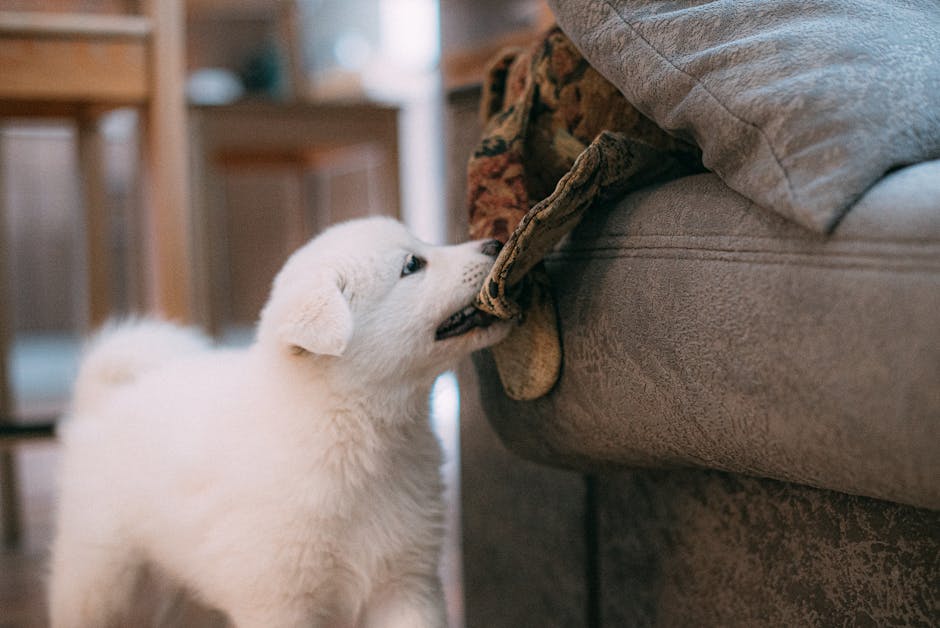
Bite inhibition is the ability of a dog to control the force of its bite. For puppies, this is a critical skill learned during early socialization with littermates and their mother. When puppies play, they bite each other, and if one bites too hard, the victim yelps and stops playing. This teaches the biter to moderate the pressure. As a Husky owner, you need to continue this education at home. Huskies are mouthy by nature—they use their mouths to explore and communicate. Without proper bite inhibition training, a Husky puppy may grow into an adult that bites hard when excited or stressed, posing a risk to humans and other animals.
Why Huskies Need Bite Inhibition Training
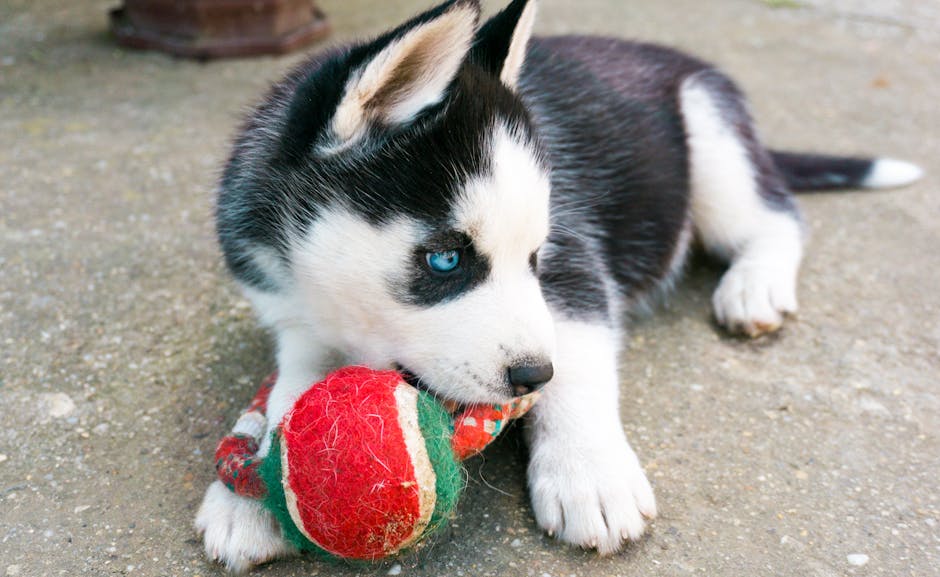
Siberian Huskies are a breed known for their strong prey drive, high energy, and independent streak. They often use their mouths to engage with the world. Bite inhibition training is not about stopping mouthing entirely—it's about teaching your Husky to be gentle. A Husky that has learned bite inhibition will instinctively soft-mouth when playing, even if they accidentally make contact with skin. This is especially important because Huskies can be powerful biters as adults. Additionally, the American Kennel Club (AKC) emphasizes that bite inhibition is a cornerstone of canine safety. Without it, you might face difficulties with vet visits, grooming, or even daily handling.
When to Start Training
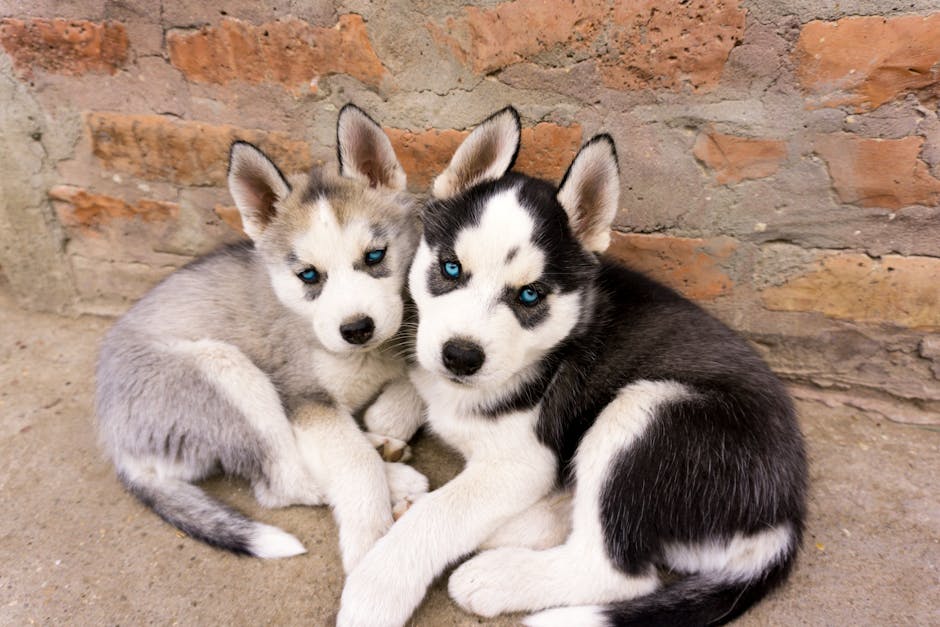
The ideal window for bite inhibition training is between 8 and 16 weeks of age. This is when puppies are most receptive to learning boundaries. However, it's never too late to start. Older puppies and even adult Huskies can learn bite inhibition, though it may require more patience. Start as soon as you bring your Husky puppy home. The first few weeks are crucial for establishing rules.
Step-by-Step Guide to Teach Bite Inhibition
Step 1: Allow Gentle Mouthing (with Limits)
During play, let your puppy mouth your hands or arms but set a threshold. If the puppy bites too hard, you need to react immediately. The goal is to gradually lower the threshold over time. For example, initially allow moderate pressure, but as weeks pass, expect softer and softer bites. Keep high-value treats handy to reward gentle mouthing.
Step 2: Use the "Yelp" Technique
When your Husky puppy mouths too hard, let out a high-pitched yelp or an "Ouch!" in an exaggerated tone. This mimics the reaction of a littermate. Then, immediately withdraw your hand and stop all interaction. Turn away or walk out of the room for 10–30 seconds. The puppy will learn that hard bites end the fun. Consistency is key: every family member must use the same sound and reaction.
Step 3: Withdraw Attention (Time-Out)
If the yelp doesn't work or the puppy gets overexcited, implement a brief time-out. Place the puppy in a safe, boring area (like a crate or behind a baby gate) for 30–60 seconds. This is not punishment; it's a reset. After the time-out, resume play. Repeat as needed. Important: never use physical force or shout, as that can escalate arousal.
Step 4: Redirect to Appropriate Chew Toys
Huskies need to chew. Instead of letting them mouth your hands, redirect to a toy. Keep a variety of chew toys (e.g., Nylabones, kongs, rope toys) within reach. When your puppy starts to nip at you, offer the toy and praise them for chewing on it. This teaches them what is acceptable to bite. You can also freeze a Kong with peanut butter or kibble to keep them busy.
Step 5: Teach "Leave It" and "Drop It" Commands
These commands are essential for managing mouthiness. Start by teaching "drop it" during play: offer a treat in exchange for the toy they are holding. For "leave it," hold a treat in your closed fist and only release when the puppy stops trying to nibble at it. Practice these daily in short sessions.
Common Mistakes to Avoid
- Punishing normal mouthing: Don't punish gentle mouthing, as that may cause fear or aggression. Only correct hard bites.
- Using hands as toys: Avoid rough wrestling with your puppy using your hands. It encourages biting. Use toys instead.
- Inconsistent reactions: If you allow biting sometimes and not others, your puppy will be confused. Stick to the plan.
- Ignoring tiredness: A tired Husky puppy is often a mouthy puppy. Ensure your puppy gets enough rest and naps. Overtired puppies bite more.
How to Handle Hard Bites
Occasionally, a puppy might bite down hard, especially when teething (around 4–6 months). In such cases, stay calm. Yelp loudly and immediately end play. Disengage completely. If the puppy continues, use a time-out. For persistent hard biters, consider consulting a professional trainer. Never shake or hit the puppy. If the bite breaks the skin, clean the wound and monitor for signs of infection. It's also important to assess the situation: is the puppy scared, in pain, or overly excited? Adjust your training approach accordingly.
Bite Inhibition Training Schedule
| Age | Goal | Technique |
|---|---|---|
| 8–10 weeks | Stop painful bites | Yelp and withdraw attention |
| 10–12 weeks | Reduce pressure gradually | Lower threshold for yelping |
| 12–16 weeks | Soft mouth during play | Redirect to toys, reward gentle play |
| 4–6 months | Maintain bite control | Practice "leave it" and "drop it" |
| 6 months+ | Solidify inhibition | Continue all techniques; proof with distractions |
Conclusion
Teaching your Husky puppy bite inhibition is a gradual process that requires patience, consistency, and positive reinforcement. Remember that mouthing is natural for Huskies, but you can shape it into gentle, controlled interactions. By following these steps, you'll raise a well-mannered adult Husky that is safe to handle and a joy to be around. If you encounter challenges, don't hesitate to seek help from a certified positive reinforcement trainer. Your efforts will pay off with a lifetime of trust and loving companionship.