If you've ever found a half-eaten kibble stuffed under a couch cushion or discovered a buried bone in your backyard, you're not alone. Huskies are notorious for hiding food, a behavior that often leaves owners puzzled. But why do huskies hide food? This comprehensive guide explores the instinctual roots, common reasons, and practical solutions for this fascinating quirk. Whether you have a new puppy or an adult husky, understanding this behavior is key to a harmonious home.
The Instinctive Roots of Food Hiding in Huskies
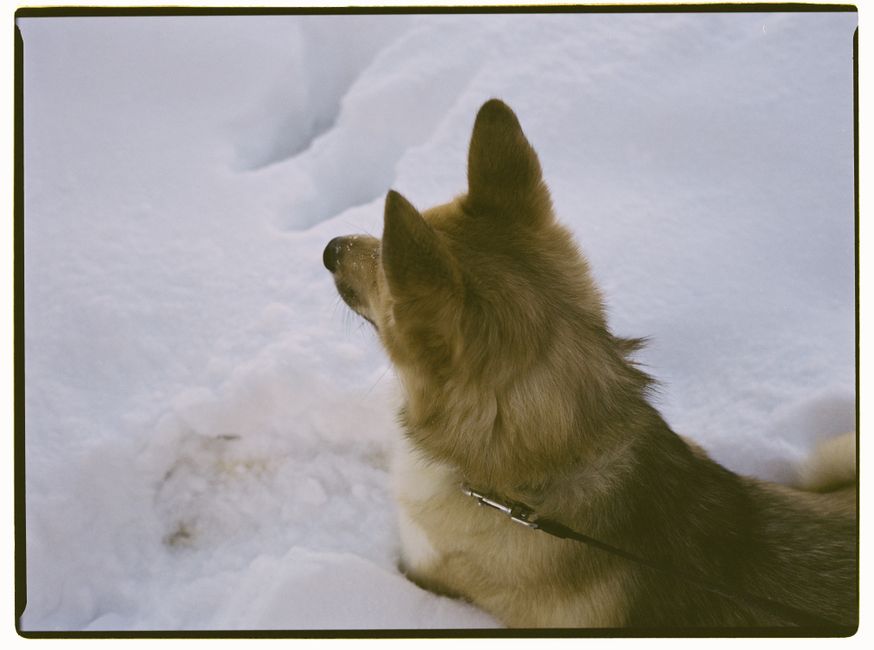
Siberian Huskies are a ancient breed developed by the Chukchi people of Siberia. Their survival depended on their ability to endure harsh Arctic conditions with limited food supply. Hiding food is a natural instinct passed down from their wolf ancestors and sled dog heritage. In the wild, canines often cache (hide) food to protect it from scavengers or to save it for lean times. This behavior is hardwired in huskies, even if they now live in comfortable homes with regular meals.
Wolf-Like Behaviors
Huskies share 99.9% of their DNA with wolves, and many behaviors carry over. Wolves bury food to preserve it and reduce competition. Your husky may not need to hunt, but the instinct remains strong. When they hide food, they're acting on a primal drive to secure resources.
Sled Dog Mentality
In sled dog teams, food is a precious commodity. Dogs may hide extras to ensure they have energy for the next run. This mentality persists in modern huskies, especially if they feel insecure about their next meal or if there's competition from other pets.
Common Reasons Why Your Husky Hides Food
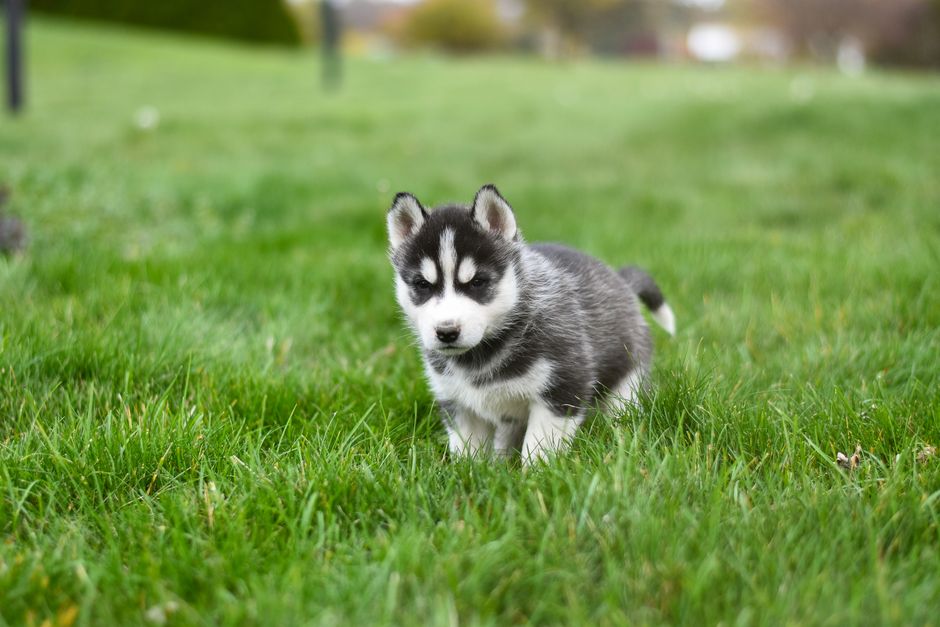
While instinct plays a big role, there are several specific triggers that cause huskies to hide food. Identifying the reason can help you address the behavior.
1. Saving Food for Later
Huskies are known for self-regulating their intake. If your husky isn't hungry at mealtime, they may hide food to eat later. This is especially common with large portions or free-feeding. They might stash kibble in beds, blankets, or odd corners.
2. Overabundance of Food
When given unlimited access to food, huskies may treat it like a resource to be hoarded. Feeding measured meals can reduce the urge to hide.
3. Anxiety or Stress
Changes in environment, new pets, loud noises, or separation anxiety can cause huskies to hide food as a coping mechanism. Hiding can make them feel secure, similar to how they might hide themselves during storms.
4. Competition from Other Pets
In multi-pet households, huskies may hide food to prevent other animals from stealing it. This is a form of resource guarding that can escalate if not managed.
5. Learned Behavior
If a husky once had to compete for food as a puppy (e.g., during weaning), they may continue hiding food out of habit. Even if food is plentiful now, the pattern persists.
6. Boredom or Entertainment
Huskies are intelligent and can get bored. Hiding food becomes a game—they enjoy the challenge of finding new stashes. Puzzle toys can redirect this energy.
Is Food Hiding a Problem?
For most huskies, hiding food is a normal, harmless behavior. However, it can become problematic in certain situations. Here's how to tell the difference:
| Normal Behavior | Concerning Behavior |
|---|---|
| Hides a few pieces of kibble occasionally | Hoards large amounts of food daily |
| Stashes in predictable spots (e.g., bed corners) | Hides in dangerous places (e.g., electrical cords) |
| Eats the hidden food later | Abandons hidden food, leading to spoilage or pests |
| No aggression when you approach the stash | Growls, snaps, or guards the hidden food (resource guarding) |
Resource guarding is a serious issue that requires behavior modification. If your husky shows signs of aggression over food, consult a professional trainer or veterinary behaviorist.
How to Address and Manage Food Hiding
While you cannot eliminate the instinct entirely, you can manage it with these practical tips:
1. Scheduled Feedings
Instead of free-feeding, offer meals at set times for 15-20 minutes. Remove uneaten food immediately. This teaches your husky that food is available on a schedule and reduces the need to save it.
2. Portion Control
Measure your husky's daily food based on their age, weight, and activity level. Overfeeding can trigger hoarding. Consult your vet for proper portions.
3. Provide a Safe Space
If your husky hides food due to anxiety, create a calm feeding area away from noise and other pets. Use a crate or a quiet room. They may feel secure enough to eat all their food.
4. Reduce Competition
Feed multiple pets in separate rooms or use slow-feed bowls. Supervise meal times to prevent stealing. This reduces the need to hide provisions.
5. Enrichment Activities
Redirect the hiding instinct with puzzle feeders, snuffle mats, or food-dispensing toys. You can also play hide-and-seek with treats in safe places, turning the behavior into a fun game.
6. Training Commands
Teach 'leave it' and 'drop it' to manage resource guarding. Reward your husky for leaving hidden food alone or for trading it for a better treat. Positive reinforcement works best.
7. Manage the Environment
Block access to favorite hiding spots (under furniture, behind curtains). Use baby gates or close doors. Offer alternative places like a designated digging pit or a towel filled with treats to bury.
When to Consult a Professional
While food hiding is usually benign, seek professional help if:
- Your husky shows aggression (growling, snapping) when you approach food or stashes.
- They hide food and refuse to eat, leading to weight loss.
- The behavior is accompanied by other anxiety signs (pacing, destructive behavior).
- You have multiple pets and fights break out over hidden food.
A certified dog trainer or behaviorist can create a tailored plan using desensitization and counter-conditioning. In severe cases, medication may be needed for anxiety.
Conclusion
Why do huskies hide food? The answer lies in their ancient instincts as Arctic survivors. While it can be frustrating to find kibble in your laundry, remember that this behavior is normal for the breed. By understanding the triggers and using the management strategies above, you can coexist peacefully with your clever canine. Embrace their quirks—after all, it's part of what makes huskies so uniquely wonderful.