Siberian Huskies are beloved for their striking appearance, playful demeanor, and independent spirit. However, many owners notice a distinct odor emanating from their furry friend and wonder: why do huskies smell bad? While some doggie smell is normal, excessive odor can indicate underlying issues. This comprehensive guide explores the common causes of husky odor, from diet and skin conditions to hygiene and seasonal changes. We'll provide practical tips to keep your husky fresh and healthy.
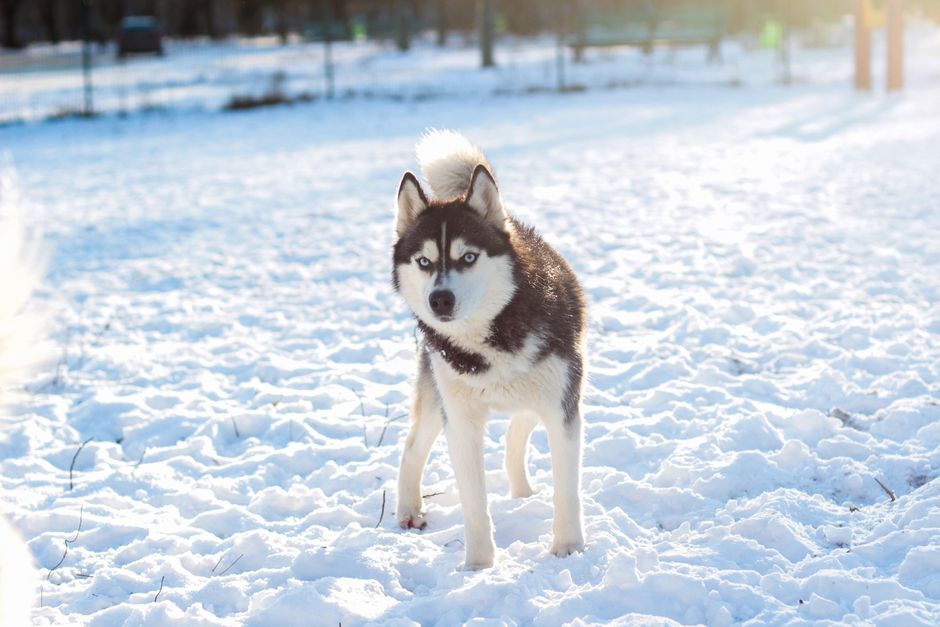
1. Natural Oils and Double Coat Maintenance
Huskies have a dense double coat designed to insulate them from extreme temperatures. This coat produces natural oils (sebum) that keep the skin and fur healthy. However, when these oils build up, they can trap dirt, dead skin cells, and bacteria, leading to a musty or rancid smell. Unlike many breeds, huskies are relatively clean and groom themselves, but their thick coat can harbor odors if not properly maintained.
Brushing and Coat Care
Regular brushing is essential: use an undercoat rake or slicker brush at least twice a week to remove loose fur and distribute oils. During shedding season (spring and fall), daily brushing is recommended. This prevents mats and reduces the 'doggy' odor. Avoid over-bathing, as stripping natural oils can cause the skin to overcompensate and produce more oil, worsening the smell.
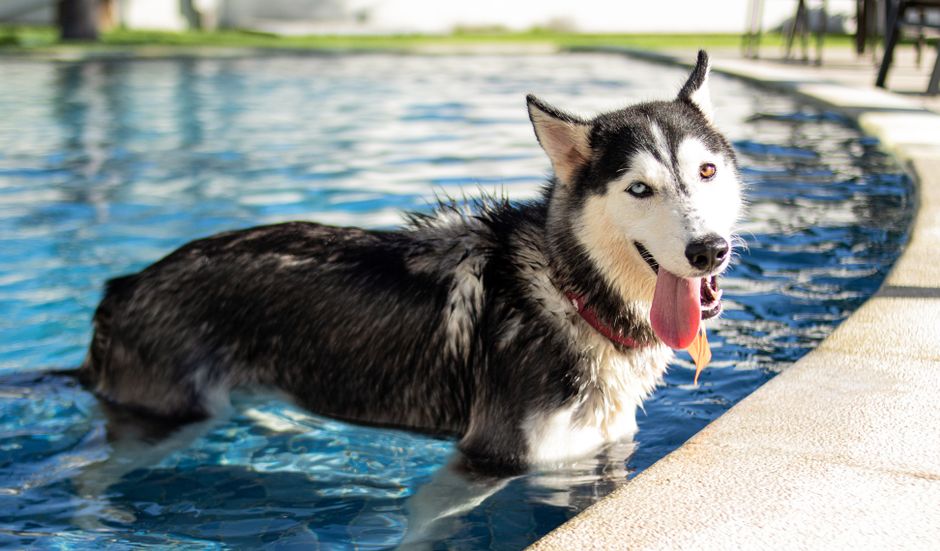
2. Bathing Practices and Shampoo Choices
Bathing a husky too frequently or with harsh shampoos can disrupt the skin's pH balance, leading to dry, itchy skin and increased oil production. Aim to bathe your husky every 6-8 weeks, or as needed if they get particularly dirty. Use a high-quality, moisturizing shampoo formulated for dogs, preferably one with oatmeal or aloe vera. Rinse thoroughly to avoid residue that can trap odor.
Drying Techniques
Moisture trapped in the undercoat can cause a damp, mildew-like smell. After bathing, towel-dry your husky and use a blow dryer on a cool or low-heat setting. Ensure the undercoat is completely dry, especially in cooler weather. If your husky swims or gets wet outside, dry them promptly.
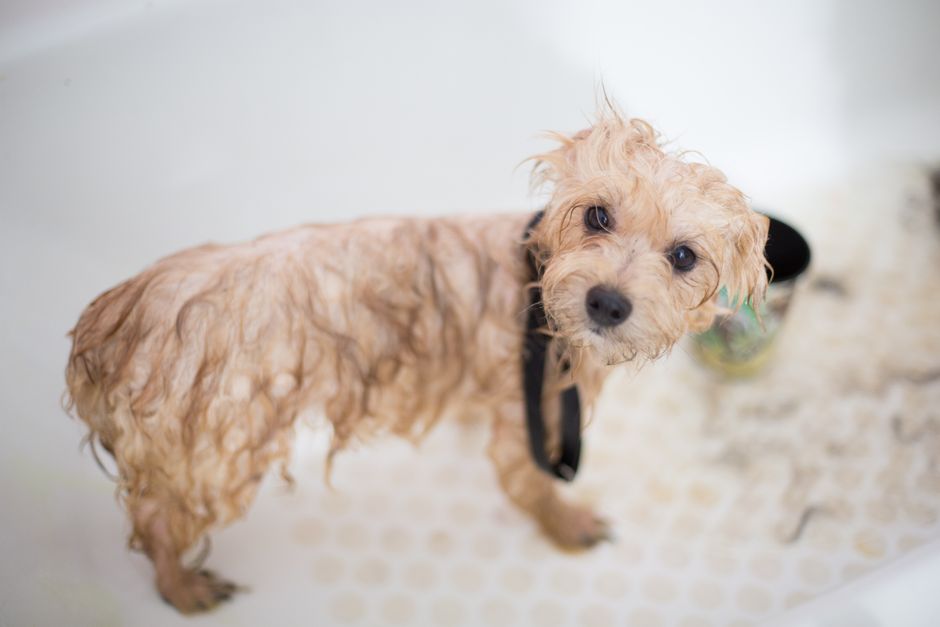
3. Skin Infections and Allergies
Huskies are prone to skin allergies caused by food ingredients (like chicken, beef, or grains), environmental allergens (pollen, dust mites), or flea bites. Allergic reactions can lead to redness, itching, and secondary bacterial or yeast infections. Yeast infections have a distinct sweet, musty, or 'Fritos' smell, while bacterial infections may cause a sour or putrid odor.
Signs of Skin Issues
- Excessive scratching, licking, or biting at paws and coat
- Red, inflamed, or flaky skin
- Greasy or waxy patches
- Hair loss or hot spots
If you notice these symptoms, consult your veterinarian. They may recommend hypoallergenic diets, allergy testing, or medicated shampoos. Omega-3 fatty acid supplements can also help improve skin health and reduce inflammation.
4. Anal Gland Issues
Huskies, like all dogs, have anal glands that secrete a pungent fluid used for marking territory. Normally, these glands empty during defecation, but sometimes they become impacted or infected. This can cause a fishy, metallic odor that may linger on your husky's rear end or when they sit.
What to Look For
- Your husky scoots their bottom on the floor
- Excessive licking of the rear area
- A foul, fishy smell
- Swelling or redness around the anus
If you suspect anal gland problems, a veterinarian can express the glands manually or treat an infection. Adding fiber to the diet (e.g., pumpkin, green beans) can help firm stools and promote natural expression.
5. Dental Hygiene and Oral Odor
Bad breath (halitosis) can contribute to overall doggy smell when your husky licks themselves. Plaque buildup, gum disease, or tooth decay cause bacteria to flourish, leading to a foul odour. Huskies are active dogs that love to chew, but without regular dental care, oral health issues can arise.
Dental Care Tips
- Brush your husky's teeth 2-3 times per week with dog-safe toothpaste
- Provide dental chews or toys that help scrape off plaque
- Offer raw carrots or apples as crunchy, healthy treats
- Schedule professional dental cleanings as recommended by your vet
If bad breath persists despite good care, your vet should check for underlying health problems like kidney disease or diabetes.
6. Diet and Digestive Health
What goes in comes out – and affects how your husky smells. Low-quality dog foods often contain fillers, artificial preservatives, and low-grade proteins that can cause gas, greasy stools, and a strong body odor. Foods with high corn or wheat content can also trigger allergies.
Choosing the Right Diet
Opt for a high-protein, grain-free or limited-ingredient diet. Look for named meat sources (e.g., salmon, turkey, lamb) and healthy fats like fish oil (rich in omega-3s). Avoid foods with excessive supplements or artificial additives. Some owners find that a raw diet or home-cooked meals improve coat quality and reduce odor. Always transition food gradually and consult a vet nutritionist for balanced recipes.
Digestive Enzymes and Probiotics
Adding probiotics can improve gut health and reduce flatulence. Digestive enzymes help break down food more efficiently, minimizing gas and foul-smelling stools.
7. Ear Infections
Huskies have erect, open ears that are prone to collecting dirt, moisture, and debris. If not cleaned regularly, bacteria or yeast can overgrow, causing a foul, yeasty, or sour smell. Ear infections often accompany head shaking, scratching at the ears, or discharge.
Ear Cleaning Routine
Check your husky's ears weekly. Use a vet-approved ear cleaner on a cotton ball (never a cotton swab) to wipe the outer ear. Avoid pushing debris deeper. Dry the ears after swimming or baths. If you notice redness, swelling, or a bad odor, see your vet for treatment.
8. Seasonal Changes and Environment
Huskies shed heavily twice a year, and during these periods, dead hair and dander can accumulate, creating a stale smell. Also, if your husky is active outdoors, they may bring in smells from the environment – mud, rain, or even carcasses they roll in. Regular grooming and a quick wipe-down after outdoor adventures can help.
Home Environment
Wash your husky's bedding weekly, vacuum frequently to remove dander, and use an air purifier if needed. A clean home reduces the chance of odor transfer to your dog.
When to See a Veterinarian
If your husky's smell is persistent, very strong, or accompanied by other symptoms (lethargy, loss of appetite, excessive scratching, vomiting, diarrhea), it's time for a check-up. Underlying health issues like thyroid problems, diabetes, or kidney disease can cause changes in body odor.
Conclusion
Understanding why huskies smell bad is the first step to a fresher, healthier canine companion. Most causes are manageable through proper grooming, diet, and veterinary care. Remember, a healthy husky should have a mild, natural doggy scent – not an overpowering odor. By staying proactive, you can ensure your husky remains both happy and pleasant to be around.