If you own a Siberian Husky, you've likely witnessed your furry friend scratching or pawing at the floor with intense focus. This behavior can be puzzling and sometimes destructive, leaving you wondering what’s going on inside that fluffy head. While occasional floor scratching is normal, understanding the underlying causes can help you address it effectively. In this comprehensive guide, we explore the top reasons why huskies scratch the floor and provide practical solutions to keep both your dog and flooring happy.
The Instinctual Drive: Denning and Nesting
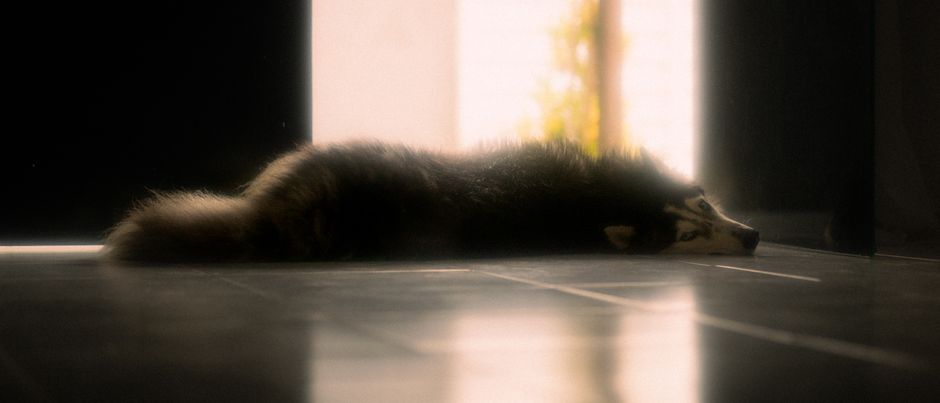
Huskies are descendants of Arctic wolves, and many of their behaviors are rooted in survival instincts. Scratching at the floor is often a form of denning or nesting. In the wild, dogs would scratch the ground to create a comfortable, safe spot to rest, removing debris and leveling the surface. Your husky may be mimicking this behavior, especially before lying down. Watch for circular pawing motions followed by settling—a classic sign of instinctual nesting.
Communicating Through Scent
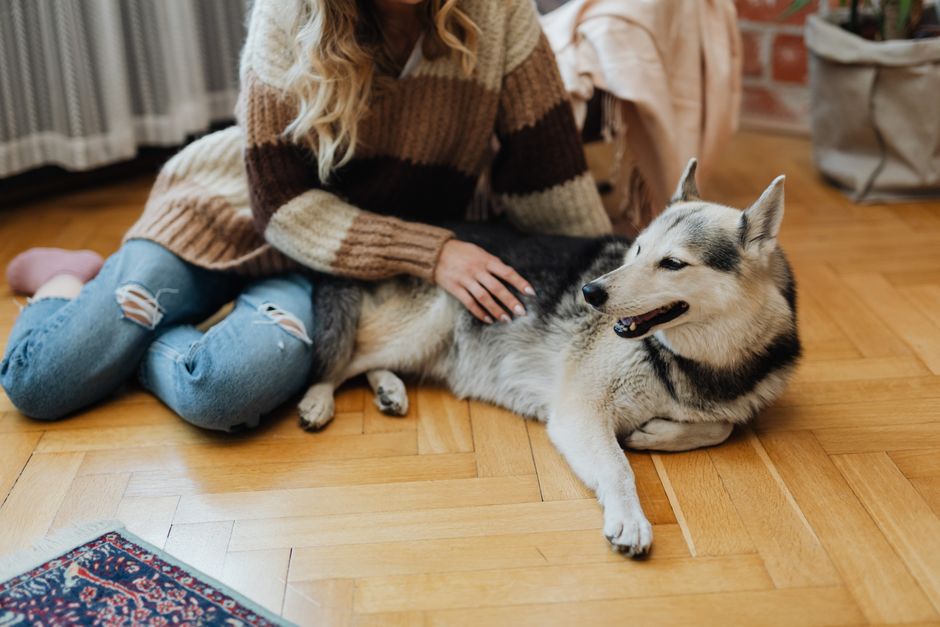
Dogs have scent glands in their paws. Scratching the floor releases pheromones that mark territory and leave a “signature” scent. This is particularly common in multi-dog households or if your husky perceives the area as its own. Scratching can also be a way to spread its scent around the house, signaling ownership. If you notice your husky scratching near doors or windows, it may be trying to communicate with outside animals or reinforce its presence.
Boredom and Excess Energy
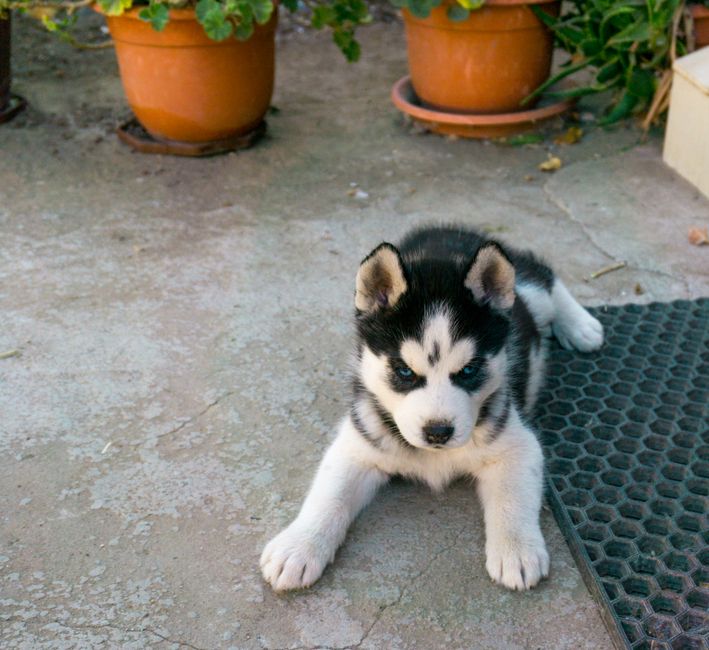
Siberian Huskies are high-energy, intelligent working dogs. Without adequate physical and mental stimulation, they can develop repetitive behaviors like floor scratching. This is often a cry for attention or an outlet for pent-up energy. A husky that scratches the same spot repeatedly may be bored. Ensure your dog gets at least 2 hours of exercise daily, plus interactive toys or puzzle games. A tired husky is less likely to engage in destructive scratching.
Anxiety and Stress Relief
Scratching can be a self-soothing mechanism for anxious huskies. Separation anxiety, loud noises, or changes in routine can trigger this behavior. The rhythmic motion may release endorphins and help your dog cope. Look for signs of stress like panting, pacing, or whining accompanying the scratching. In such cases, addressing the root cause of anxiety is crucial. Consider crate training, calming supplements, or consult a veterinary behaviorist.
Nail Maintenance and Itchy Paws
Sometimes the reason is physical. Overgrown nails cause discomfort, and scratching the floor helps trim them naturally. Alternatively, allergies, dry skin, or irritants (like salt on sidewalks) can make paws itchy. Check your husky’s nails: if you hear clicking on hard floors, they likely need a trim. For itchy paws, bathe paws after walks, use paw balms, or switch to hypoallergenic diets if allergies are suspected.
Attention-Seeking Behavior
Huskies are clever and quickly learn that scratching gets a reaction. If you’ve ever yelled or rushed over when your dog started scratching, you may have accidentally reinforced the behavior. To reduce attention-seeking scratching, ignore it completely and reward calm, non-destructive activities. Provide alternative ways to get your attention, like sitting or bringing a toy.
Medical Reasons to Consider
While less common, persistent scratching can indicate a medical issue. Arthritis can cause dogs to scratch at floors to relieve joint pain. Neurological disorders or compulsive disorders may also manifest as repetitive scratching. If you’ve ruled out behavioral causes and the scratching is intense, targets specific body parts (like ears or face), or is accompanied by hair loss, consult your veterinarian.
When Scratching Becomes Destructive
Scratching can damage hardwood, laminate, or tile floors. To prevent costly repairs, take proactive steps. Place rugs or mats in favorite scratching spots. Use bitter-tasting sprays (pet-safe) on vulnerable areas. Keep your husky’s nails trimmed short—blunt nails cause less damage. Provide appropriate scratching outlets like a digging box or a sandpit outdoors.
How to Redirect Scratching: Practical Solutions
Redirecting the behavior is more effective than punishment. Below is a quick-reference table with common reasons and actionable solutions.
| Reason | Solution |
|---|---|
| Nesting instinct | Provide a cozy bed with raised sides or a fluffy blanket. Encourage settling there with treats. |
| Scent marking | Use enzyme cleaner to remove pet odors. Offer a designated scratch area like a cardboard scratch pad. |
| Boredom/energy | Increase daily exercise: long walks, runs, bike rides. Engage with puzzle toys and hide-and-seek games. |
| Anxiety | Create a calm environment with white noise or pheromone diffusers. Use comfort items like a weighted blanket. |
| Itchy paws | Check for allergens. Apply paw balm, wipe paws after walks, and consult vet for allergy testing. |
| Attention-seeking | Ignore scratching completely; reward quiet behavior. Teach an alternative behavior like “touch” or “spin”. |
Conclusion
Floor scratching is a common husky behavior with roots in instinct, communication, and emotion. By identifying the specific triggers—whether it’s nesting, boredom, anxiety, or physical discomfort—you can tailor a solution that meets your dog’s needs. Remember, patience and consistency are key. With proper exercise, enrichment, and training, you can minimize destructive scratching and strengthen your bond with your Siberian Husky. If the behavior persists despite your best efforts, don’t hesitate to seek professional help from a trainer or veterinarian.