If you’ve ever been greeted by your Siberian Husky with a face-licking welcome only to be hit by a wave of foul odor, you’re not alone. Bad breath (halitosis) in Huskies is a common concern among owners. While some breath odor is normal, persistently stinky breath can signal underlying health issues. This comprehensive guide explores the causes, solutions, and prevention of husky bad breath, helping you keep your furry friend healthy and your nose happy.
Why Does My Husky Have Bad Breath?
Huskies are generally healthy dogs, but their breath can turn unpleasant for several reasons. The most common culprit is poor oral hygiene, but other factors like diet, health conditions, and even breed-specific traits can contribute. Understanding the root cause is the first step to freshening up that Husky breath.
Common Causes of Bad Breath in Huskies
1. Poor Dental Hygiene
Just like humans, Huskies need regular teeth cleaning. Plaque and tartar buildup leads to bacteria growth, causing bad breath. If left unchecked, it can progress to periodontal disease, which is painful and worsens the odor.
2. Diet and Nutrition
What your Husky eats directly affects their breath. Low-quality kibble, high in fillers and artificial ingredients, can produce smelly breath. Additionally, if your Husky gets into the trash or eats something they shouldn’t (like dead animals or feces), that can cause temporary halitosis.
3. Health Issues
Persistent bad breath can be a red flag for health problems:
- Dental disease: Gingivitis, tooth abscesses, or oral tumors.
- Kidney disease: Breath may smell like ammonia or urine.
- Diabetes: Sweet or fruity breath (ketones).
- Liver problems: Musty or foul odor.
- Respiratory infections: Sinusitis or lung issues can cause bad breath.
- Gastrointestinal issues: Acid reflux or stomach problems.
How to Check Your Husky’s Mouth
Regularly inspecting your Husky’s mouth can help you spot issues early. Follow these steps:
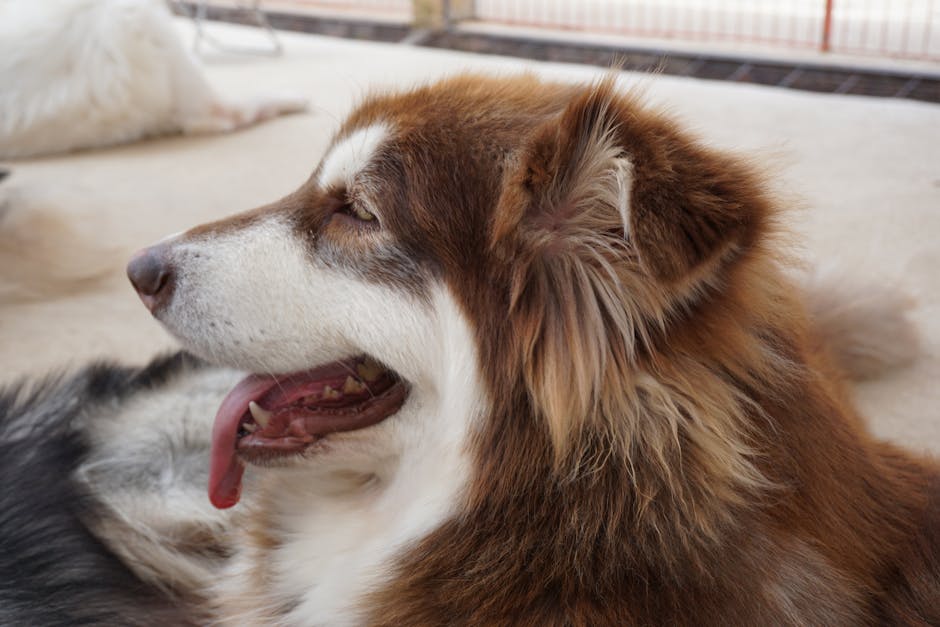
- Gently lift your dog’s lips to examine teeth and gums. Healthy gums are pink, teeth are white.
- Look for redness, swelling, bleeding, or tartar buildup (yellow/brown deposits).
- Check for loose or broken teeth, and any unusual lumps.
- Smell your dog’s breath – if it’s consistently foul, note the odor type (e.g., sweet, fishy, metallic).
If you see any abnormalities or the breath is very persistent, consult your vet.
Effective Home Remedies for Fresher Husky Breath
Brushing Your Husky’s Teeth
Daily brushing is the gold standard for fresh breath. Use a dog-specific toothbrush and toothpaste (never human toothpaste, as it can be toxic). Start slowly, reward with treats, and make it a positive experience. Aim for 2-3 times per week if daily isn’t feasible.
Dental Chews and Toys
Chewing helps scrape off plaque. Offer safe dental chews (like those approved by the Veterinary Oral Health Council) or rubber toys designed to clean teeth. Avoid hard items that can break teeth, like real bones or antlers.
Diet Adjustments
Switch to high-quality dog food with fewer fillers. Some owners find that raw diets or grain-free options improve breath. You can also add fresh parsley (in small amounts) to your Husky’s food, as it’s a natural breath freshener.
Fresh Water and Oral Rinses
Ensure your Husky always has clean, fresh water. You can add a canine oral rinse or water additive to help reduce bacteria. Some contain enzymes that break down plaque.
Probiotics and Digestive Enzymes
Adding probiotics to your dog’s diet can improve gut health, which may reduce bad breath from digestive issues. Consult your vet before adding supplements.
When to See the Vet
If home remedies don’t improve your Husky’s breath within a week or two, or if you notice any of the following, schedule a veterinary visit:
- Excessive drooling or pawing at the mouth.
- Difficulty eating or dropping food.
- Visible swelling or bleeding from gums.
- Sudden change in breath odor (e.g., sweet, ammonia-like).
- Lethargy, weight loss, or increased thirst/urination.
The vet will perform a thorough oral exam, possibly take X-rays, and run blood work to rule out systemic diseases. Professional dental cleaning under anesthesia may be needed to remove deep tartar and treat periodontal disease.
Preventative Dental Care Routine for Huskies
Preventing bad breath is easier than treating it. Establish a routine:
| Frequency | Action |
|---|---|
| Daily | Brush teeth (ideal) or provide dental chew |
| Weekly | Check mouth for abnormalities |
| Monthly | Replace toothbrush and inspect toys for wear |
| Every 6-12 months | Professional veterinary dental cleaning |
Also, maintain regular vet checkups and include oral health in your discussions. A healthy mouth contributes to your Husky’s overall well-being and longevity.
Conclusion
Husky bad breath is often manageable with proper oral care and attention to diet. However, don’t ignore persistent halitosis—it may be a sign of something more serious. By staying proactive, you can keep your Husky’s breath fresh and your bond strong. Remember, a healthy Husky is a happy Husky!