Understanding Husky Coughing
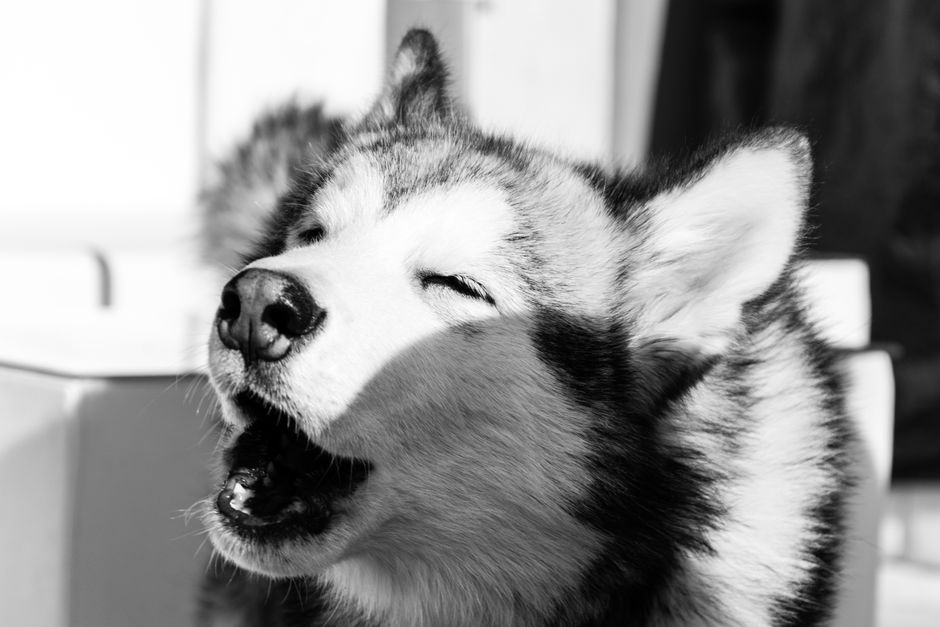
Coughing in Siberian Huskies can be concerning for any owner. These energetic, vocal dogs may cough for various reasons, from minor irritations to serious health issues. Understanding the type of cough and accompanying symptoms is crucial for determining the right course of action. This guide covers the common causes, home care tips, and when to seek veterinary help.
Common Causes of Coughing in Huskies
Kennel Cough (Canine Infectious Tracheobronchitis)
Kennel cough is a highly contagious respiratory infection common in dogs that socialize at parks, kennels, or grooming facilities. It produces a dry, honking cough that sounds like your husky has something stuck in its throat. Other symptoms may include gagging, retching, or mild nasal discharge. Most cases resolve on their own within 1-3 weeks, but severe cases may require antibiotics or cough suppressants.
Tracheal Collapse
Huskies are not the most common breed for tracheal collapse, but it can occur. This condition causes a honking cough, especially when excited, pulling on a leash, or during hot weather. It results from weakened cartilage rings in the trachea. Management includes weight control, using a harness instead of a collar, and sometimes medication.
Reverse Sneezing
Reverse sneezing is often mistaken for coughing. It sounds like a rapid, forceful snorting or gagging, typically triggered by excitement, allergies, or irritation. It's usually harmless and stops on its own. Gently massaging your husky's throat or covering its nostrils briefly can help.
Allergies
Huskies can suffer from environmental allergies (pollen, dust, mold) that cause coughing, sneezing, or itchy skin. Seasonal coughing may indicate allergies. Antihistamines or vet-prescribed treatments can help.
Heart Disease
In older huskies, a soft, moist cough that worsens at night or after exercise may indicate heart disease, such as dilated cardiomyopathy. This cough is due to fluid buildup in the lungs. Immediate veterinary evaluation is essential.
Lungworm or Parasites
Lungworm infections can cause a persistent cough. Huskies that eat snails, slugs, or prey are at risk. Other signs include weight loss and lethargy. A fecal test can diagnose, and deworming medication treats it.
Foreign Object
A sudden, intense coughing fit might mean your husky has inhaled a small object (grass awn, seed). This can lead to pneumonia if not removed promptly. Watch for pawing at mouth, gagging, or difficulty breathing.
When to Worry: Red Flags
Contact your vet immediately if your husky shows any of these signs:
- Persistent cough lasting more than 2 weeks
- Difficulty breathing, rapid breathing, or blue gums
- Lethargy, loss of appetite, or fever
- Cough that produces frothy sputum or blood
- Collapse or fainting episodes
- Puppy or senior husky with a cough
Home Care and Remedies
For mild, non-worrying coughs, you can try these at home:
- Humidity: Use a humidifier or bring your husky into a steamy bathroom to soothe airways.
- Honey: A small amount (1/2 to 1 teaspoon) of raw honey can soothe a cough. Do not use in dogs under 1 year old or with diabetes.
- Rest: Limit exercise and excitement to reduce coughing episodes.
- Harness over collar: Use a harness to avoid pressure on the trachea.
- Clean air: Avoid smoke, incense, or strong cleaners.
Never give human cough medicine without vet approval, as ingredients like acetaminophen or xylitol can be toxic.
Prevention Tips
- Keep vaccinations up to date (kennel cough vaccine is optional but recommended for social dogs).
- Use a harness instead of a collar, especially for pulls.
- Maintain a healthy weight to reduce respiratory strain.
- Regular vet checkups, including heart and lung auscultation.
- Minimize exposure to sick dogs and contaminated areas.
Common Cough Causes At a Glance
| Cause | Cough Type | Other Symptoms | Treatment |
|---|---|---|---|
| Kennel Cough | Dry, honking | Gagging, nasal discharge | Often self-limiting; vet may prescribe antibiotics |
| Tracheal Collapse | Honking, triggered by excitement | Gagging, exercise intolerance | Weight management, harness, antitussives |
| Heart Disease | Soft, moist, worse at night | Lethargy, difficulty breathing | Vet diagnosis, medications (diuretics, etc.) |
| Allergies | Dry, seasonal | Sneezing, itching | Antihistamines, environmental control |
When to See a Vet
If your husky's cough is severe, persistent, or accompanied by concerning signs, schedule a vet visit. The vet may perform X-rays, blood tests, tracheal wash, or heartworm check. Early diagnosis often leads to better outcomes.
Frequently Asked Questions
Can I give my husky cough medicine?
Only under veterinary guidance. Many human cough medications are dangerous for dogs.
Is kennel cough dangerous for huskies?
It's usually mild, but can progress to pneumonia in puppies or seniors. Monitor closely.
How long does a husky cough last?
Acute coughs from kennel cough resolve in 1-3 weeks. Chronic coughs need investigation.
Stay observant and proactive. Your husky's cough can often be managed with simple steps, but never hesitate to consult your vet for peace of mind.